- English
- Español
- Português
- русский
- Français
- 日本語
- Deutsch
- tiếng Việt
- Italiano
- Nederlands
- ภาษาไทย
- Polski
- 한국어
- Svenska
- magyar
- Malay
- বাংলা ভাষার
- Dansk
- Suomi
- हिन्दी
- Pilipino
- Türkçe
- Gaeilge
- العربية
- Indonesia
- Norsk
- تمل
- český
- ελληνικά
- український
- Javanese
- فارسی
- தமிழ்
- తెలుగు
- नेपाली
- Burmese
- български
- ລາວ
- Latine
- Қазақша
- Euskal
- Azərbaycan
- Slovenský jazyk
- Македонски
- Lietuvos
- Eesti Keel
- Română
- Slovenski
- मराठी
- Srpski језик
- שפה עברית
- беларускі
- Bosanski
- ქართული
- O'zbek

What Is an EV Automotive and EVSE Fuse and Why Is It Critical for Electric Vehicle Charging Safety
The rapid growth of electric vehicles has introduced new requirements for electrical safety and protection within charging infrastructure and onboard vehicle systems. One of the most essential yet often overlooked components in this ecosystem is the EV Automotive and EVSE Fuse. These specialized fuses are designed to protect high-voltage battery systems, charging stations, power electronics, and EV charging cables from dangerous overcurrent and short-circuit conditions.
This comprehensive guide explores what EV automotive and EVSE fuses are, how they work, and why they are essential for modern electric mobility. We also examine their role in protecting batteries, charging equipment, and power electronics while ensuring compliance with global EV safety standards. Additionally, we review key technical features, fuse selection considerations, and real-world applications in EV charging infrastructure.
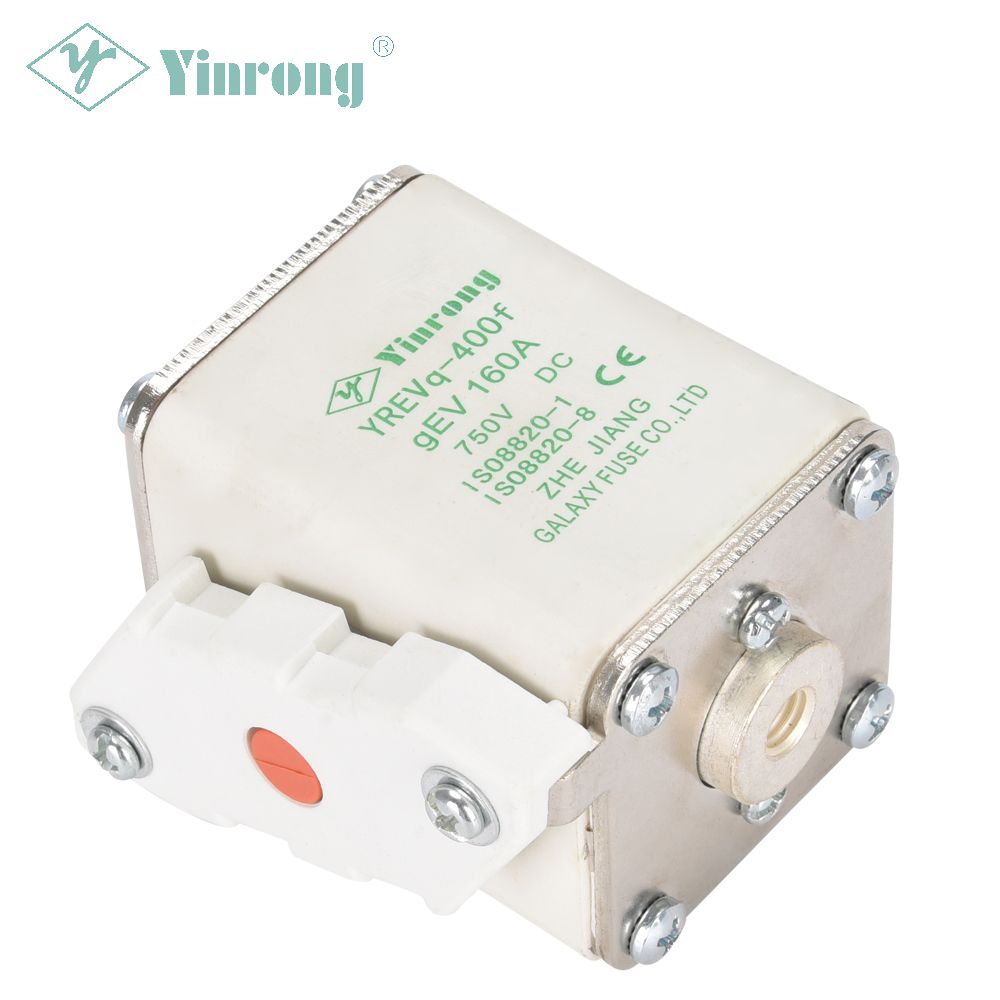
Table of Contents
- 1. Understanding EV Automotive and EVSE Fuses
- 2. Why EV Charging Systems Require Specialized Fuses
- 3. Key Components Protected by EV Fuses
- 4. Differences Between Automotive Fuses and EVSE Fuses
- 5. Technical Characteristics of EV High-Voltage Fuses
- 6. How EV Fuses Protect Battery Systems
- 7. Applications in EV Charging Infrastructure
- 8. How to Select the Right EV Automotive Fuse
- 9. Industry Standards and Safety Compliance
- 10. Future Trends in EV Fuse Technology
- FAQ About EV Automotive and EVSE Fuses
1. Understanding EV Automotive and EVSE Fuses
An EV Automotive Fuse is a high-performance electrical safety device designed to interrupt excessive current in electric vehicle power circuits. These fuses protect critical systems such as battery packs, power converters, traction motors, and charging ports.
Similarly, an EVSE Fuse (Electric Vehicle Supply Equipment Fuse) protects the charging infrastructure, including charging stations, power modules, and grid connections.
If current exceeds safe operating limits, the fuse element melts and opens the circuit instantly, preventing severe damage to expensive components.
Manufacturers such as Galaxy Fuse develop specialized EV fuse solutions capable of handling the high voltages and rapid fault conditions typical in electric vehicle systems.
2. Why EV Charging Systems Require Specialized Fuses
Electric vehicles operate at significantly higher voltages than traditional automotive electrical systems. While conventional vehicles may use 12V or 24V systems, EVs often operate at:
- 400V battery platforms
- 800V ultra-fast charging architectures
- High-current DC fast charging systems
These high-energy systems require specialized protection devices capable of responding extremely quickly to abnormal current conditions.
Without proper protection, overcurrent events could lead to:
- Battery thermal runaway
- Charging station damage
- Vehicle electrical fires
- Power electronics failure
This is why EV automotive fuses are engineered with advanced arc suppression and fast interruption capabilities.
3. Key Components Protected by EV Fuses
EV fuses protect multiple critical components inside both the vehicle and charging infrastructure.
| Protected Component | Function | Risk Without Fuse Protection |
|---|---|---|
| Battery Pack | Stores high-voltage energy for propulsion | Thermal runaway and battery damage |
| Inverter System | Converts DC battery power to AC motor power | Power electronics failure |
| DC Fast Charger | Delivers high-current charging | Charger module damage |
| Onboard Charger | Converts AC grid power to battery charging | Overcurrent electronics failure |
| EV Charging Cable | Transfers power from station to vehicle | Overheating or cable damage |
4. Differences Between Automotive Fuses and EVSE Fuses
Although both types provide circuit protection, EV automotive fuses and EVSE fuses are designed for different environments and electrical characteristics.
| Feature | EV Automotive Fuse | EVSE Fuse |
|---|---|---|
| Location | Inside the vehicle | Inside charging stations |
| Voltage Range | Up to 1000V DC | Up to 1500V DC |
| Function | Protect battery and drivetrain | Protect charger and grid connection |
| Response Speed | Ultra-fast fault protection | High-speed short circuit protection |
| Thermal Requirements | High vibration environment | Stationary but high power loads |
5. Technical Characteristics of EV High-Voltage Fuses
Modern EV fuses incorporate advanced technologies to ensure reliable operation in demanding electrical environments.
Key Design Features
- High interrupting capacity
- Low power loss
- Fast arc extinguishing
- High voltage tolerance
- Compact thermal design
Typical Electrical Ratings
| Parameter | Typical Range |
|---|---|
| Rated Voltage | 500V – 1500V DC |
| Rated Current | 20A – 800A |
| Breaking Capacity | 20kA – 50kA |
| Operating Temperature | -40°C to +125°C |
These characteristics ensure that EV fuses operate reliably even under high-current charging and rapid fault conditions.
6. How EV Fuses Protect Battery Systems
The lithium-ion battery pack is the most valuable component of an electric vehicle. High-voltage fuses provide a critical layer of safety in battery management systems.
During abnormal events such as short circuits, excessive charging current, or internal faults, the fuse interrupts the circuit immediately.
Protection stages include:
- Battery pack primary fuse
- Charging circuit fuse
- Inverter protection fuse
- Auxiliary power fuse
These safety layers ensure the EV system remains stable even during electrical faults.
7. Applications in EV Charging Infrastructure
EVSE fuses are widely used in charging stations ranging from residential chargers to ultra-fast commercial charging networks.
Common EVSE Applications
- Level 2 AC charging stations
- DC fast charging stations
- High-power charging hubs
- Commercial EV fleet charging systems
- Public highway charging infrastructure
Advanced fuse technology from companies like Galaxy Fuse supports reliable charging performance while protecting expensive equipment.
For technical specifications and product options, readers can explore this resource:
EV Automotive and EVSE Fuse Product Page
8. How to Select the Right EV Automotive Fuse
Choosing the correct fuse is essential for system safety and optimal performance.
Selection Factors
- Operating voltage
- Continuous current rating
- Fault interruption capability
- Temperature environment
- System architecture
- Mounting requirements
Engineers typically perform electrical simulations and system testing to ensure proper fuse coordination within EV power systems.
9. Industry Standards and Safety Compliance
EV automotive and EVSE fuses must comply with strict international safety standards to ensure reliability in transportation and energy infrastructure.
- IEC 60269
- UL 248
- ISO 8820
- RoHS environmental compliance
These standards regulate performance factors such as breaking capacity, thermal endurance, and electrical safety.
10. Future Trends in EV Fuse Technology
As electric vehicles evolve toward higher power and faster charging capabilities, fuse technology is also advancing rapidly.
Key Trends
- Ultra-high voltage fuse designs for 800V EV platforms
- Compact fuse modules for lightweight EV architecture
- Smart monitoring systems integrated with battery management
- Improved arc suppression materials
With global EV adoption accelerating, advanced circuit protection will remain a cornerstone of safe electric transportation.
Frequently Asked Questions About EV Automotive and EVSE Fuses
1. What does EVSE stand for?
EVSE stands for Electric Vehicle Supply Equipment, which refers to the charging equipment used to deliver electricity from the grid to electric vehicles.
2. Are EV fuses different from traditional automotive fuses?
Yes. EV fuses are designed for high-voltage DC systems and must interrupt much larger fault currents compared with traditional automotive fuses.
3. Why are high-speed fuses important in EV charging?
High-speed fuses can interrupt dangerous current spikes within milliseconds, protecting sensitive electronics and preventing catastrophic failures.
4. Where are EV fuses typically installed?
They are installed in battery packs, charging circuits, inverter systems, and EV charging stations.
5. How often should EV fuses be replaced?
Fuses typically last the lifetime of the system unless they operate due to a fault. In such cases, they must be replaced with the same rated component.
Conclusion
EV Automotive and EVSE fuses play a vital role in protecting electric vehicles and charging infrastructure from electrical faults. With EV systems operating at increasingly higher voltages and currents, reliable circuit protection has become more important than ever.
Innovative manufacturers such as Galaxy Fuse continue to develop high-performance fuse technologies that support the rapid growth of electric mobility worldwide.
If you are looking for reliable EV fuse solutions or need professional guidance in selecting the right protection components for your EV or charging infrastructure projects, contact us today to learn more about our advanced products and engineering support.