- English
- Español
- Português
- русский
- Français
- 日本語
- Deutsch
- tiếng Việt
- Italiano
- Nederlands
- ภาษาไทย
- Polski
- 한국어
- Svenska
- magyar
- Malay
- বাংলা ভাষার
- Dansk
- Suomi
- हिन्दी
- Pilipino
- Türkçe
- Gaeilge
- العربية
- Indonesia
- Norsk
- تمل
- český
- ελληνικά
- український
- Javanese
- فارسی
- தமிழ்
- తెలుగు
- नेपाली
- Burmese
- български
- ລາວ
- Latine
- Қазақша
- Euskal
- Azərbaycan
- Slovenský jazyk
- Македонски
- Lietuvos
- Eesti Keel
- Română
- Slovenski
- मराठी
- Srpski језик
- שפה עברית
- беларускі
- Bosanski
- ქართული
- O'zbek

What Is a Square Body High Speed Fuse and Why Is It Critical for Semiconductor Protection
In modern electrical systems, protecting sensitive power electronics is more important than ever. Devices such as inverters, converters, EV charging systems, and industrial drives rely heavily on semiconductor components like IGBTs, SCRs, MOSFETs, and diodes. Even a brief overcurrent event can permanently damage these expensive components.
A Square Body High Speed Fuse is specifically engineered to respond extremely quickly to fault currents and protect semiconductor devices from catastrophic failure. These fuses are widely used in renewable energy systems, electric vehicle infrastructure, industrial automation, and power conversion equipment.
This guide explores everything you need to know about square body high speed fuses—including their working principles, key features, benefits, applications, selection criteria, and industry trends. We also explain why companies like Yinrong are becoming important suppliers in the global fuse market.
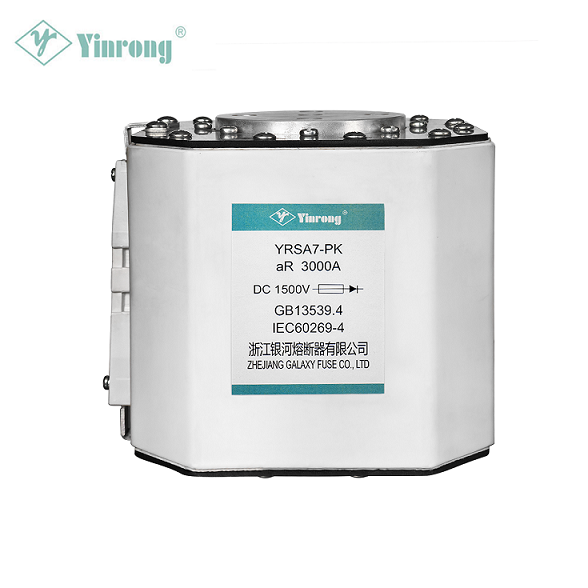
Table of Contents
- 1. What Is a Square Body High Speed Fuse?
- 2. Why Are High Speed Fuses Needed for Semiconductor Protection?
- 3. Key Features of Square Body High Speed Fuses
- 4. How Does a Square Body High Speed Fuse Work?
- 5. Typical Applications
- 6. Technical Specifications Overview
- 7. Square Body Fuse vs Traditional Fuse
- 8. How to Select the Right Fuse
- 9. Installation and Maintenance Tips
- 10. Future Trends in Semiconductor Fuse Technology
- FAQ
1. What Is a Square Body High Speed Fuse?
A Square Body High Speed Fuse is a type of semiconductor protection fuse designed to interrupt fault currents extremely quickly. Its square-shaped housing allows efficient installation in power systems while maintaining excellent heat dissipation and electrical performance.
Unlike general-purpose fuses, high speed semiconductor fuses are optimized for protecting sensitive electronic components such as:
- IGBT modules
- Power diodes
- SCR thyristors
- MOSFET devices
- Power converters
These fuses are engineered to limit fault energy rapidly and minimize the thermal stress applied to semiconductor devices. According to industry specifications, square body high speed fuses can interrupt extremely high currents while reacting within milliseconds.
2. Why Are High Speed Fuses Needed for Semiconductor Protection?
Semiconductor components are highly sensitive to overcurrent conditions. Even small spikes can destroy them instantly.
Traditional fuses react too slowly to protect these devices effectively. High speed semiconductor fuses are therefore designed with extremely fast response times.
Main Reasons for Using High Speed Fuses
- Ultra-fast fault current interruption
- Protection of expensive semiconductor modules
- Reduction of thermal damage
- Improved equipment reliability
- Prevention of cascading system failures
High speed square body fuses are capable of limiting fault currents and interrupting power before semiconductor devices exceed their safe operating limits.
3. Key Features of Square Body High Speed Fuses
Square body high speed fuses offer several technical advantages that make them ideal for high-performance electrical systems.
Important Design Features
- Extremely fast-acting response
- High interrupting capacity
- Low I²t energy release
- Compact square body design
- Multiple mounting options
- Visual blown fuse indicators
Many models support voltage ratings up to 1500V DC and high current capacities for industrial systems.
4. How Does a Square Body High Speed Fuse Work?
The operation of a square body high speed fuse is based on controlled melting of specially designed fuse elements.
Working Principle
- Fault current occurs
- Fuse element heats rapidly
- The element melts within milliseconds
- Arc forms and is quickly extinguished
- Circuit is safely interrupted
The internal construction usually includes:
- Silver fuse elements
- Quartz sand filler
- Ceramic housing
- High conductivity terminals
These materials allow the fuse to absorb and dissipate arc energy while limiting current flow.
5. Typical Applications
Square body high speed fuses are widely used in industries that rely on high-power electronic devices.
Common Applications
- Electric vehicle charging stations
- Solar photovoltaic inverters
- Wind power systems
- Battery energy storage systems
- Industrial motor drives
- UPS power supplies
- Power conversion systems
These fuses are also frequently used in regenerative drives and DC bus systems in industrial automation equipment.
6. Technical Specifications Overview
| Parameter | Typical Range |
|---|---|
| Voltage Rating | 400V – 1500V |
| Current Rating | 1A – 5500A |
| Interrupting Capacity | Up to 200kA |
| Operating Class | aR / gR |
| Mounting Types | Bolt, Blade, DIN |
Different body sizes and mounting styles allow engineers to integrate square body fuses into a wide variety of power systems.
7. Square Body Fuse vs Traditional Fuse
| Feature | Square Body High Speed Fuse | Traditional Fuse |
|---|---|---|
| Response Speed | Ultra-fast | Moderate |
| Semiconductor Protection | Excellent | Limited |
| Interrupt Capacity | Very High | Medium |
| Industrial Applications | Advanced power electronics | General electrical circuits |
8. How to Select the Right Square Body High Speed Fuse
Selecting the correct fuse is critical to ensuring proper circuit protection.
Key Selection Factors
- Voltage rating
- Current rating
- Interrupting capacity
- Fuse operating class (aR or gR)
- Cooling conditions
- Installation method
- Equipment type
Manufacturers like Yinrong provide detailed datasheets and engineering support to help customers choose the correct fuse for their application.
9. Installation and Maintenance Tips
Proper installation is essential for ensuring optimal fuse performance.
Best Practices
- Ensure correct torque on fuse terminals
- Use compatible fuse holders
- Maintain proper ventilation
- Inspect fuse indicators regularly
- Replace fuses with identical ratings
Routine inspection can help detect overheating, loose connections, or environmental damage.
10. Future Trends in Semiconductor Fuse Technology
As power electronics continue evolving, the demand for high performance fuse protection is increasing rapidly.
Emerging Trends
- Higher voltage DC protection
- Improved arc suppression technologies
- Compact fuse designs
- Integration with smart monitoring systems
- Better thermal management materials
Manufacturers such as Yinrong are investing in advanced fuse technologies to support modern applications including renewable energy, EV charging infrastructure, and intelligent power grids.
FAQ
1. What is the difference between aR and gR fuse classes?
aR fuses provide short-circuit protection for semiconductors, while gR fuses provide both overload and short-circuit protection.
2. Can a normal fuse replace a high speed semiconductor fuse?
No. Standard fuses are too slow and may not protect sensitive semiconductor components.
3. What industries commonly use square body high speed fuses?
Industries include renewable energy, electric vehicles, industrial automation, and power electronics.
4. How fast does a high speed fuse operate?
Most semiconductor fuses operate within milliseconds to limit fault current energy.
5. How long do high speed fuses last?
Their lifespan depends on operating conditions, but with proper selection and installation they can last many years.
Conclusion
Square Body High Speed Fuses play a vital role in protecting modern electrical systems and semiconductor devices. Their ultra-fast response, high interrupting capacity, and robust design make them indispensable in industries such as renewable energy, electric vehicles, and industrial automation.
If you are looking for reliable semiconductor protection solutions, the engineering team at Yinrong can provide professional guidance and high-performance fuse products tailored to your applications.
For detailed product information, customized solutions, or technical support, please contact us today and discover how advanced fuse technology can improve the safety and reliability of your power systems.