- English
- Español
- Português
- русский
- Français
- 日本語
- Deutsch
- tiếng Việt
- Italiano
- Nederlands
- ภาษาไทย
- Polski
- 한국어
- Svenska
- magyar
- Malay
- বাংলা ভাষার
- Dansk
- Suomi
- हिन्दी
- Pilipino
- Türkçe
- Gaeilge
- العربية
- Indonesia
- Norsk
- تمل
- český
- ελληνικά
- український
- Javanese
- فارسی
- தமிழ்
- తెలుగు
- नेपाली
- Burmese
- български
- ລາວ
- Latine
- Қазақша
- Euskal
- Azərbaycan
- Slovenský jazyk
- Македонски
- Lietuvos
- Eesti Keel
- Română
- Slovenski
- मराठी
- Srpski језик
- שפה עברית
- беларускі
- Bosanski
- ქართული
- O'zbek

How Can Solar Fuse Protection Prevent Costly PV System Failures?
When I review a solar power project, I rarely begin with the most visible parts of the system. Panels, inverters, mounting structures, and monitoring software often get the attention first, but the quiet components inside the combiner box can decide whether a fault becomes a manageable service event or an expensive shutdown. That is why Solar Fuse Protection deserves careful attention from installers, EPC teams, distributors, and system owners who want safer, more stable photovoltaic performance.
In real field conditions, solar arrays deal with high DC voltage, changing irradiance, temperature swings, reverse current risks, insulation aging, and occasional wiring mistakes. A properly selected PV fuse is not just a small accessory. It is a safety device designed to interrupt dangerous overcurrent before it damages cables, modules, holders, or downstream equipment. For projects that require dependable PV fuse solutions, Zhejiang Galaxy Fuse Co., Ltd. provides solar power protection products developed for DC photovoltaic applications, including PV string, PV array, and combiner box protection needs.
What Is This Article About?
This article explains how Solar Fuse Protection helps reduce the risk of DC arc damage, cable overheating, equipment failure, and unexpected downtime in photovoltaic systems. It also discusses how to choose the right fuse rating, voltage level, interrupting capacity, installation position, and maintenance routine. Instead of treating fuses as a low-cost afterthought, this guide shows why a precise fuse selection process can support safer solar operation and better long-term system reliability.
Article focus: practical PV fuse selection, common buyer concerns, real installation risks, maintenance checks, and how to build a more dependable protection strategy around Solar Fuse Protection.
What Will You Learn From This Guide?
- Article Outline
- Why Does Solar Fuse Protection Matter In DC PV Systems?
- How Should I Choose The Right PV Fuse?
- Which Fuse Selection Factors Should Buyers Compare?
- Where Should Solar Fuses Be Installed In A PV System?
- What Mistakes Cause Fuse Protection Problems?
- How Can Maintenance Improve Long-Term Reliability?
- Why Does Supplier Experience Matter?
- FAQ
- Contact Us
What Is The Outline Of This Article?
- Understand why DC photovoltaic circuits require dedicated protection.
- Identify the key electrical ratings that affect fuse performance.
- Compare fuse selection factors before purchasing.
- Place PV fuses correctly in strings, arrays, and combiner boxes.
- Avoid common mistakes that lead to overheating or nuisance failure.
- Create a simple inspection routine for safer long-term operation.
- Choose a manufacturer that can support technical matching and stable supply.
Why Does Solar Fuse Protection Matter In DC PV Systems?
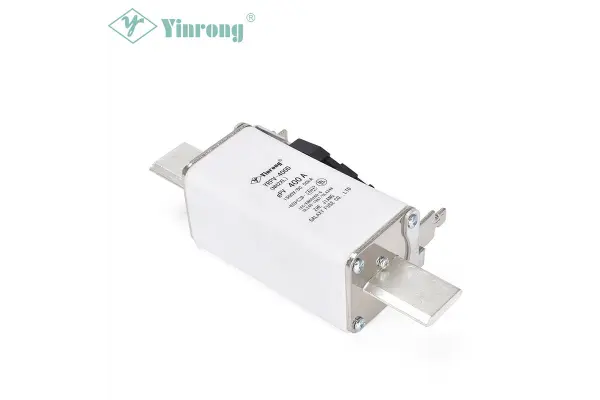
A photovoltaic system is different from many ordinary electrical systems because its power source cannot simply be turned off in the same way as a load-side device. When sunlight reaches the modules, DC current is produced. If a fault occurs, the system may continue feeding energy into the problem until the circuit is interrupted correctly. This is one reason Solar Fuse Protection is so important in solar power design.
DC current also behaves differently from AC current. In an AC circuit, the waveform naturally crosses zero many times per second. In a DC circuit, there is no natural zero-crossing moment to help extinguish an arc. If the wrong protective device is used, an arc may continue long enough to burn terminals, damage insulation, deform holders, or create fire hazards inside a combiner box.
Many buyers only compare fuse price, package size, or ampere rating. That is risky. A PV fuse must match the system voltage, short-circuit current, module characteristics, cable capacity, ambient temperature, and installation environment. In other words, the right fuse is not the one that merely fits into the holder. The right fuse is the one that can safely interrupt the expected DC fault under actual project conditions.
- It helps limit damage caused by reverse current from parallel strings.
- It protects conductors from overheating under fault conditions.
- It supports safer combiner box and array operation.
- It reduces the chance of long downtime after a fault event.
- It gives maintenance teams a clear replacement point when a fault occurs.
How Should I Choose The Right PV Fuse?
I always suggest starting with the module datasheet and the system design rather than starting with a catalog page. The fuse must be selected around the actual current and voltage of the PV string. For example, the short-circuit current of the module, the number of parallel strings, the maximum system voltage, and the module’s maximum series fuse rating all need to be checked before a final choice is made.
The ampere rating should not be guessed. If the fuse is too small, it may open unnecessarily during normal operation, especially when irradiance is strong and the combiner box temperature is high. If the fuse is too large, it may fail to protect the cable or module when a fault current appears. This is where many project problems begin: the fuse looks correct at first glance, but the rating does not match the real operating window.
Voltage rating is equally important. A fuse used in a 1000VDC or 1500VDC PV system must be designed and rated for that DC voltage level. Using a lower voltage fuse because it has the same current rating is a serious mistake. During interruption, the fuse must control and extinguish the internal arc safely. If the voltage rating is not suitable, the device may not clear the fault as expected.
A complete Solar Fuse Protection selection process should include these checks:
- Confirm the maximum DC voltage of the PV system.
- Check the module short-circuit current and maximum series fuse rating.
- Match the fuse ampere rating to the calculated string protection requirement.
- Verify the interrupting capacity for the available fault current.
- Review operating temperature and apply derating when needed.
- Use a compatible fuse holder with proper voltage and current ratings.
- Confirm product dimensions before ordering replacement parts.
Which Fuse Selection Factors Should Buyers Compare?
Buyers often ask for a quick recommendation, but a reliable recommendation depends on several connected factors. The table below gives a practical comparison that can be used during purchasing, technical review, or supplier communication.
| Selection Factor | Why It Matters | Buyer Checkpoint |
|---|---|---|
| DC Voltage Rating | The fuse must interrupt faults safely at the system’s maximum DC voltage. | Match 1000VDC, 1500VDC, or other project voltage requirements. |
| Current Rating | A wrong ampere rating may cause nuisance opening or weak protection. | Compare with module Isc and maximum series fuse rating. |
| Interrupting Capacity | The fuse must clear available fault current without rupture or unsafe arcing. | Ask for rated breaking capacity and test information. |
| Fuse Size | Physical dimensions affect compatibility with holders and combiner boxes. | Confirm dimensions such as 10×38mm, 10×85mm, 14×51mm, or project-specific sizes. |
| Temperature Performance | High rooftop or cabinet temperature can affect fuse operation. | Check derating curves or ask the supplier for guidance. |
| Holder Compatibility | A good fuse can still fail if the holder overheats or has poor contact. | Use matched PV fuse holders with proper terminal design. |
This comparison is especially useful when replacing a component in an existing solar plant. A replacement fuse should not be chosen only because it looks similar. The electrical rating, product series, holder compatibility, and application environment should all be checked before installation.
Where Should Solar Fuses Be Installed In A PV System?
The most common location for PV fuses is inside the combiner box, where multiple strings are brought together before sending power toward the inverter. In systems with several parallel strings, a fault in one string can receive reverse current from other strings. A fuse installed on each protected string helps isolate that fault before the conductor or module is exposed to damaging current.
In larger systems, protection may also be required at array outputs, DC distribution points, or battery-coupled sections. The exact arrangement depends on the system design, local regulations, equipment layout, and inverter architecture. For buyers, the key point is simple: fuse placement should follow the current path and the possible fault path. If the fuse is installed too far from the risk point or placed without coordination, the protection may not work as intended.
During installation, small workmanship details matter. A loose terminal can create heat. A poorly sealed enclosure can allow moisture and dust to affect insulation. A mismatched fuse holder can increase contact resistance. A fuse exposed to high heat without derating may age faster than expected. Solar Fuse Protection is not only about the fuse link itself; it is also about the holder, wiring, torque, enclosure, and inspection method around it.
- Keep fuse holders clean, dry, and properly covered.
- Use the torque value recommended by the component manufacturer.
- Avoid mixing unknown fuse and holder combinations.
- Confirm polarity and wiring layout before energizing the system.
- Leave enough service space for safe replacement and inspection.
What Mistakes Cause Fuse Protection Problems?
One common mistake is using a general-purpose fuse in a PV application. A solar PV fuse is designed for the special behavior of DC photovoltaic circuits. A fuse that works in another electrical environment may not have the correct voltage rating, time-current behavior, or breaking capacity for solar strings.
Another mistake is oversizing the fuse “for safety.” This sounds reasonable, but it can make the system less safe. A fuse protects by opening under a defined overcurrent condition. If the rating is too high, the cable or module may be stressed before the fuse responds. The protection device then becomes too slow or too insensitive for the actual risk.
Some projects also overlook temperature. Combiner boxes installed outdoors may experience much higher internal temperatures than expected. Heat affects fuse performance and can accelerate aging. If the design does not consider temperature derating, the fuse may behave differently from what the original calculation suggested.
The following mistakes should be avoided during procurement and installation:
- Choosing only by price without checking DC voltage rating.
- Using AC-rated protection devices in DC PV circuits.
- Installing a fuse above the module’s maximum series fuse rating.
- Replacing a blown fuse without investigating the fault cause.
- Ignoring discoloration, cracking, odor, or heat marks around holders.
- Mixing different product types without reviewing coordination.
- Buying spare parts without confirming dimensions and ratings.
How Can Maintenance Improve Long-Term Reliability?
A fuse is a protective component, but it should not be ignored after installation. In solar projects, long-term exposure to heat, humidity, dust, vibration, and load variation can affect electrical connections. Good maintenance does not need to be complicated, but it should be consistent.
I recommend that system owners include fuse inspection in regular PV maintenance. During scheduled checks, technicians can look for discoloration, melted plastic, loose holders, cracked bodies, corrosion, and signs of overheating. If one string repeatedly opens its fuse, the team should investigate the module, cable, connector, and combiner box condition instead of simply replacing the fuse again and again.
Thermal imaging can also be useful during operation. A fuse holder running hotter than similar neighboring holders may indicate poor contact, aging, incorrect sizing, or overload. Early detection helps prevent a small resistance problem from becoming a larger equipment failure.
A practical maintenance routine may include:
- Inspect combiner boxes after extreme weather or lightning events.
- Check fuse holders for heat marks, loose parts, or material aging.
- Confirm that replacement fuses match the original design rating.
- Keep labeled spare fuses for each rating used in the project.
- Record every fuse replacement and investigate repeated failures.
- Review system changes when modules or inverters are upgraded.
This routine protects more than the fuse itself. It protects uptime, service cost, and the reputation of the installer or project owner. A disciplined approach to Solar Fuse Protection can reduce emergency repair pressure and make PV maintenance more predictable.
Why Does Supplier Experience Matter?
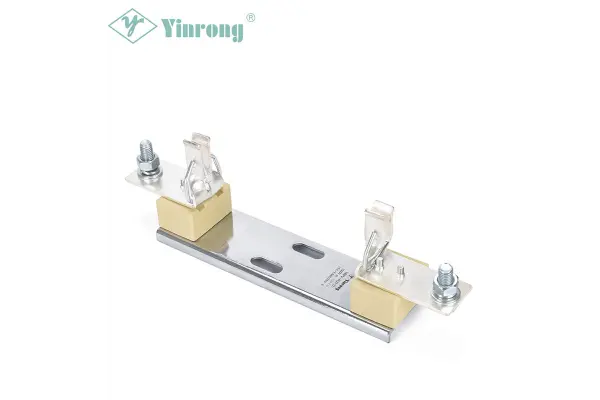
Buyers do not only need a product. They often need a clear answer to technical matching questions: Which fuse rating fits this module? Which holder works with this fuse size? Is this product suitable for a 1500VDC combiner box? Can the supplier provide stable batches for future maintenance? These questions matter because PV projects are expected to operate for many years.
A knowledgeable supplier can help reduce selection uncertainty before the order is placed. This is particularly important for distributors, EPC contractors, and solar equipment manufacturers who purchase in batches and need consistent product quality. When the fuse and holder are selected as a coordinated solution, the system is easier to install, easier to service, and easier to standardize across multiple projects.
Zhejiang Galaxy Fuse Co., Ltd. offers PV fuse products for solar power protection applications and supports buyers who need practical component matching for photovoltaic systems. For customers working on combiner boxes, PV arrays, rooftop systems, or utility-scale solar projects, choosing a dependable fuse manufacturer can help simplify procurement and improve protection confidence.
In the end, Solar Fuse Protection should be treated as part of the system’s safety design rather than a small consumable item. The fuse may be compact, but its role is critical when the system faces abnormal current. A reliable protection plan combines correct calculation, suitable product selection, careful installation, and routine inspection.
What Questions Do Buyers Often Ask About Solar Fuse Protection?
Q1: Can I use an ordinary fuse in a solar PV system?
No. A solar PV system requires fuses designed for DC photovoltaic applications. Ordinary fuses may not have the correct DC voltage rating, breaking capacity, or performance characteristics needed for PV string protection.
Q2: Is the ampere rating the only thing I need to check?
No. Current rating is important, but you also need to check DC voltage rating, interrupting capacity, module maximum series fuse rating, holder compatibility, dimensions, and temperature conditions.
Q3: Why does a PV fuse sometimes blow repeatedly?
Repeated fuse operation may indicate a real system problem, such as reverse current, wiring faults, connector damage, insulation issues, or incorrect fuse sizing. The cause should be investigated before another replacement is installed.
Q4: Should I keep spare fuses for a solar project?
Yes. Keeping correctly labeled spare fuses helps maintenance teams respond quickly after a fault. The spare fuse must match the approved rating and product type used in the original design.
Q5: How often should PV fuses be inspected?
Inspection frequency depends on project size, environment, and operating history. As a practical approach, include fuse and holder checks in regular solar maintenance, especially after extreme weather, fault events, or visible combiner box heating.
Q6: What is the biggest purchasing mistake with Solar Fuse Protection?
The biggest mistake is choosing by price or appearance alone. A PV fuse must match the electrical and environmental requirements of the project. A low-cost mismatch can become expensive if it causes downtime, overheating, or unsafe fault interruption.
How Can You Build A Safer PV Protection Plan?
A safer solar power system begins with careful component selection. If you are designing a PV combiner box, replacing string fuses, upgrading a solar array, or sourcing protection components for a new project, the right technical support can help you avoid costly mistakes before installation begins.
For dependable PV fuse products and practical selection support, choose Zhejiang Galaxy Fuse Co., Ltd. as your solar power protection partner. Tell us your system voltage, module data, fuse size, current requirement, and application scenario, and our team will help you review suitable options. For product details, project matching, or bulk purchasing support, please contact us today and send your inquiry.