- English
- Español
- Português
- русский
- Français
- 日本語
- Deutsch
- tiếng Việt
- Italiano
- Nederlands
- ภาษาไทย
- Polski
- 한국어
- Svenska
- magyar
- Malay
- বাংলা ভাষার
- Dansk
- Suomi
- हिन्दी
- Pilipino
- Türkçe
- Gaeilge
- العربية
- Indonesia
- Norsk
- تمل
- český
- ελληνικά
- український
- Javanese
- فارسی
- தமிழ்
- తెలుగు
- नेपाली
- Burmese
- български
- ລາວ
- Latine
- Қазақша
- Euskal
- Azərbaycan
- Slovenský jazyk
- Македонски
- Lietuvos
- Eesti Keel
- Română
- Slovenski
- मराठी
- Srpski језик
- שפה עברית
- беларускі
- Bosanski
- ქართული
- O'zbek

Why Is Solar Power Protection PV Fuse Essential for Long-Term PV System Reliability?
Article Summary
In a photovoltaic installation, a single weak point can put energy yield, equipment life, and maintenance budgets at risk. A Solar Power Protection PV Fuse is one of the most practical components for isolating overcurrent events before they spread through strings, combiner boxes, inverters, or battery-coupled sections. This article explains what customers usually worry about most, including repeated fuse trips, hidden mismatch between fuse rating and module current, harsh outdoor conditions, difficult replacement work, and uncertainty about product selection. It also explores how the right fuse supports stable operation, simplifies maintenance planning, and helps protect the overall return on a solar project. To make the topic easier to use in real purchasing or engineering discussions, the article includes a linked table of contents, a clear outline, comparison tables, structured lists, and a practical FAQ section.
Table of Contents
- Article Outline
- What Problems Does a Solar Project Face Without Proper Fuse Protection?
- How Does a Solar Power Protection PV Fuse Actually Work?
- Which Selection Factors Matter Most Before You Buy?
- What Is the Difference Between Good Selection and Costly Misjudgment?
- Where Is This Protection Most Valuable in Real PV Projects?
- How Can Better Fuse Planning Reduce Service Pressure?
- Why Do Buyers Look at the Manufacturer Before They Look at the Price?
- FAQ
- Conclusion
Outline
- Introduction to protection challenges in PV systems
- The electrical role of a Solar Power Protection PV Fuse
- Key product selection criteria for practical purchasing
- Common mistakes that increase downtime and replacement cost
- Typical use scenarios in commercial and utility PV projects
- Maintenance, reliability, and long-term value
- How supplier capability influences confidence in procurement
- Frequently asked questions and final buying guidance
What Problems Does a Solar Project Face Without Proper Fuse Protection?
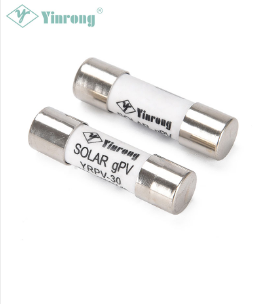
Many customers do not start by asking for a fuse. They start by asking why a string keeps failing, why one section of a site runs hotter than expected, why replacement work takes too long, or why the inverter side appears normal while yield quietly drops over time. These are not abstract concerns. In solar projects, current flows through many interconnected paths, and when one branch behaves abnormally, that stress can move quickly into neighboring circuits.
Without a properly matched Solar Power Protection PV Fuse, fault current can continue long enough to damage conductors, connectors, fuse holders, combiner boxes, and downstream equipment. In practical terms, this means a small electrical problem can become a maintenance event, an inventory event, and eventually a financial event. Project owners feel it through lower output. EPC teams feel it through callbacks. Distributors feel it through returns and urgent resupply pressure.
The most common customer pain points usually include the following:
- Unplanned shutdowns that affect energy delivery and project credibility
- Damage spreading beyond the original fault location
- Difficulty selecting the right DC protection rating for modern modules
- Frequent field replacement caused by poor environmental durability
- Uncertainty about compatibility with combiner boxes and fuse bases
- Concerns that cheap parts may create hidden risk later
In other words, the real issue is not merely whether a fuse is installed. The real issue is whether the protection strategy is precise enough to stop a fault fast, safely, and predictably.
How Does a Solar Power Protection PV Fuse Actually Work?
A Solar Power Protection PV Fuse is designed to interrupt overcurrent in DC photovoltaic circuits before thermal and electrical stress reaches a damaging level. In a PV system, reverse current and fault current are especially important because parallel strings can feed energy into a faulted string. That means the issue is not always the module itself. The problem may come from the way healthy strings contribute current into a weak or damaged circuit path.
When the current exceeds the fuse’s intended interruption range, the fuse element melts and opens the circuit. That sounds simple, but good performance depends on much more than basic interruption. The fuse must respond reliably under DC conditions, withstand outdoor temperature variation, remain stable during normal operating current, and coordinate well with the rest of the protection architecture.
| Protection Need | Why It Matters in PV Systems | What the Fuse Helps Prevent |
|---|---|---|
| Overcurrent isolation | Limits the duration of abnormal current in string circuits | Heat buildup, conductor damage, and cascading component failure |
| Reverse current protection | Stops healthy strings from feeding a damaged string | Module stress, hotspot risk, and wider circuit damage |
| DC interruption capability | PV systems operate under DC conditions that require suitable interruption behavior | Unsafe arc persistence and incomplete fault clearing |
| System continuity support | Contains the issue locally so the rest of the array can remain more stable | Large-area performance loss and difficult troubleshooting |
A reliable fuse does not improve system output by adding energy. It improves project value by preventing avoidable loss. That distinction matters. Customers who understand this usually stop treating fuse protection as a low-priority accessory and begin treating it as part of the system’s reliability design.
Which Selection Factors Matter Most Before You Buy?
Buyers often compare ratings first and price second, but the strongest decisions usually look at the full operating context. A fuse that appears acceptable on paper can still create trouble if it is poorly matched to ambient temperature, enclosure conditions, current profile, or the architecture of the PV array.
Before purchasing a Solar Power Protection PV Fuse, it helps to review these selection points carefully:
- Rated current: The fuse must match the design current of the protected circuit without nuisance operation during normal use.
- Rated voltage: It must be suitable for the DC voltage level of the photovoltaic system.
- Breaking capacity: The fuse should safely interrupt the maximum prospective fault current.
- Temperature behavior: Outdoor solar projects face heat, cold, and enclosure-related thermal stress.
- Physical compatibility: Size and mounting format must match the holder or fuse base.
- Application environment: Dust, humidity, UV exposure, and vibration can all affect service life.
- Consistency and traceability: Stable production quality matters when buyers need dependable batch supply.
Customers also care about whether replacement is easy and whether specifications are clearly documented. In the real world, a purchasing manager may not be the person replacing the fuse in the field. That is why clarity matters. Good product documentation reduces confusion between teams and speeds up service response.
Practical Buying Reminder
The best fuse choice is usually the one that fits the actual operating profile of the project, not the one with the lowest initial price or the broadest generic specification sheet.
What Is the Difference Between Good Selection and Costly Misjudgment?
In solar procurement, small component decisions often look harmless until the site is under pressure. A poor fuse decision may not fail on day one. It may show up later as repeated trips in hot weather, inconsistent field performance between batches, or a protection gap that only becomes obvious during a fault event.
| Decision Area | Well-Matched Choice | Poorly Matched Choice |
|---|---|---|
| Current rating | Stable under expected load with proper fault response | Nuisance trips or delayed protection behavior |
| Voltage suitability | Designed for the actual DC system level | Interruption risk under real PV conditions |
| Environmental performance | Handles outdoor temperature and enclosure stress more reliably | Accelerated aging and service inconsistency |
| Supplier consistency | Predictable batch quality and easier replenishment | Specification drift and maintenance uncertainty |
| Lifecycle value | Lower hidden maintenance cost over time | More downtime, labor, and replacement events |
This is exactly why experienced buyers look beyond a single data point. They want a fuse that supports field reliability, installation confidence, and procurement continuity at the same time. That broader perspective usually leads to better project outcomes.
Where Is This Protection Most Valuable in Real PV Projects?
A Solar Power Protection PV Fuse is valuable anywhere string-level or branch-level overcurrent protection is needed, but its practical importance becomes even more obvious in projects with higher string counts, complex array layouts, or demanding environmental conditions.
Typical application scenarios include:
- String protection inside combiner boxes
- Commercial rooftop systems with multiple parallel strings
- Large ground-mounted solar farms requiring stable circuit segmentation
- Sites with high ambient temperature swings
- Projects where maintenance access is difficult and downtime is expensive
- Systems where electrical safety and operational continuity are both high priorities
In all of these cases, the fuse serves a similar purpose: contain the problem early, minimize collateral damage, and support a more controlled maintenance workflow. Customers appreciate that because it turns fault handling into something more manageable and less disruptive.
For buyers who are evaluating established supply sources, manufacturer capability often matters just as much as the product label itself. Companies such as Zhejiang Galaxy Fuse Co., Ltd. draw attention when customers want a supplier that understands photovoltaic circuit protection from a product application perspective rather than treating it as a generic electrical commodity.
How Can Better Fuse Planning Reduce Service Pressure?
Service teams do not just want protection. They want protection that makes fault isolation faster and replacement work cleaner. That is why fuse planning should be considered early, not after the system is already installed.
Better planning helps in several ways:
- It shortens troubleshooting time because the fault path is isolated more clearly.
- It lowers the chance of secondary equipment damage.
- It makes spare parts planning more predictable.
- It reduces site visits caused by repeated mismatch or premature failure.
- It supports a more professional after-sales experience for installers and distributors.
For project owners, this means less uncertainty. For EPC teams, it means fewer callbacks. For distributors, it means stronger trust with repeat buyers. A good Solar Power Protection PV Fuse is therefore not only a protective component. It is also part of a smoother service strategy.
Why Do Buyers Look at the Manufacturer Before They Look at the Price?
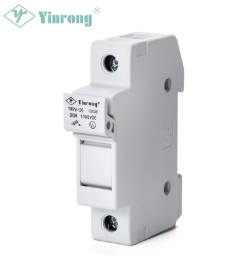
Price always matters, but buyers who manage serious projects usually ask a deeper question: can this supplier support long-term confidence? They want to know whether the manufacturer can provide stable specifications, dependable production quality, practical communication, and a realistic understanding of photovoltaic applications.
A trustworthy manufacturer should help customers move through selection with less uncertainty. That includes clearer technical information, better consistency between batches, and stronger support when application conditions are specific rather than generic. In solar projects, those details matter because one poor protective component choice can create costs that are far higher than the original purchase difference.
When evaluating a source for Solar Power Protection PV Fuse products, buyers often consider:
- Whether the company has focused experience in fuse products
- Whether the product range fits different PV system requirements
- Whether documentation is clear and usable
- Whether communication is responsive during inquiry and after sales
- Whether supply continuity is dependable for repeated purchasing
For many customers, this is where manufacturer credibility starts to influence final choice. They are not just buying a part. They are reducing risk inside a working energy system.
FAQ
-
Is a standard fuse enough for a photovoltaic system?
Not always. Photovoltaic circuits operate under DC conditions and may face specific reverse current and fault scenarios. A fuse intended for PV protection should match the actual application rather than serve as a generic substitute. -
How do I know whether the fuse rating is appropriate?
You need to review system voltage, operating current, fault current conditions, and the structure of the protected circuit. Proper selection is based on the full circuit profile, not one number alone. -
Why does a fuse sometimes trip more often in hot weather?
Temperature affects component behavior. If the fuse selection does not account for the actual environmental and enclosure conditions, hotter operation may increase the chance of nuisance trips or performance instability. -
Can a low-cost fuse increase long-term project cost?
Yes. If the product is inconsistent, poorly matched, or unreliable in the field, the hidden costs may include downtime, labor, damaged adjacent components, and more frequent replacement. -
Where is the Solar Power Protection PV Fuse commonly installed?
It is commonly used in PV string protection, combiner boxes, and other DC-side protection positions where overcurrent isolation is needed to protect the system and improve fault containment.
Conclusion
In a modern photovoltaic system, reliable protection is not something customers notice only when everything goes right. They notice it when something goes wrong and the damage stays limited. That is the value of a well-chosen Solar Power Protection PV Fuse. It helps isolate faults, protect equipment, support safer maintenance, and reduce the kind of disruption that slowly erodes project value.
If you are comparing options for your next PV project, do not limit the discussion to rating and unit price alone. Look at operating conditions, protection coordination, service convenience, and supplier consistency as part of the same decision. That approach is more practical, more durable, and far more useful in the field.
Looking for a more reliable Solar Power Protection PV Fuse solution for your solar application? Zhejiang Galaxy Fuse Co., Ltd. can help you evaluate suitable protection options for different PV system requirements. If you want a product recommendation, technical support, or a quotation for your project, contact us and let’s discuss the right fuse solution for your business.